
WAYFINDING CONSULTANTS
Keystone Sign Studio’s wayfinding consultancy services focus on delivering expert wayfinding solutions that ensure seamless, intuitive navigation in any environment. Our team of experienced wayfinding consultants is dedicated to designing wayfinding systems that meet the unique needs and challenges of your venue. Our multidisciplinary wayfinding studio blends creativity with functionality to deliver impactful wayfinding and signage design systems.
-
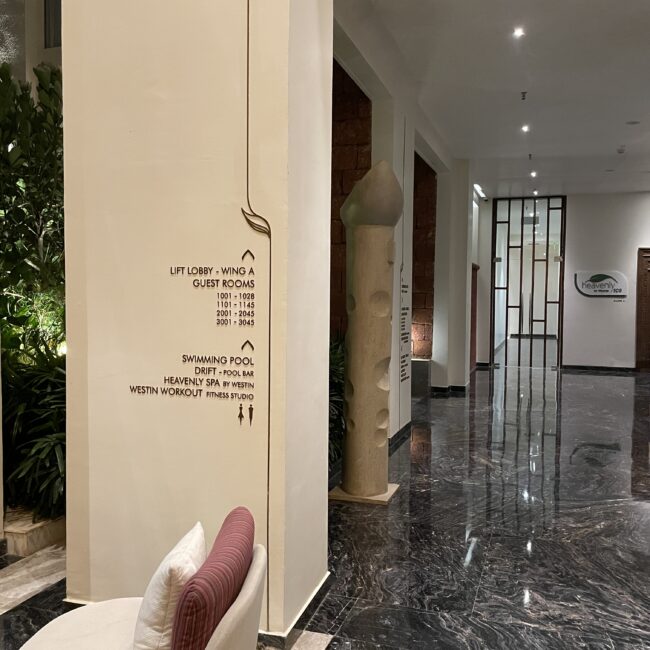
- Wayfinding design
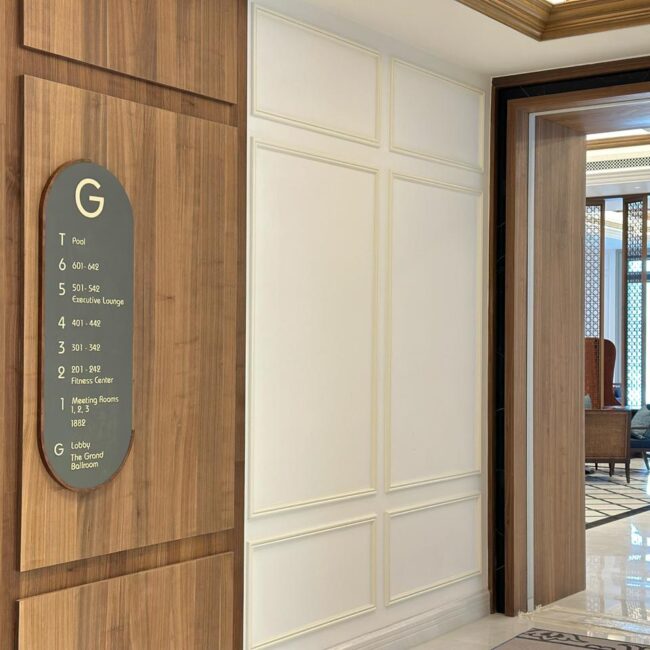
-
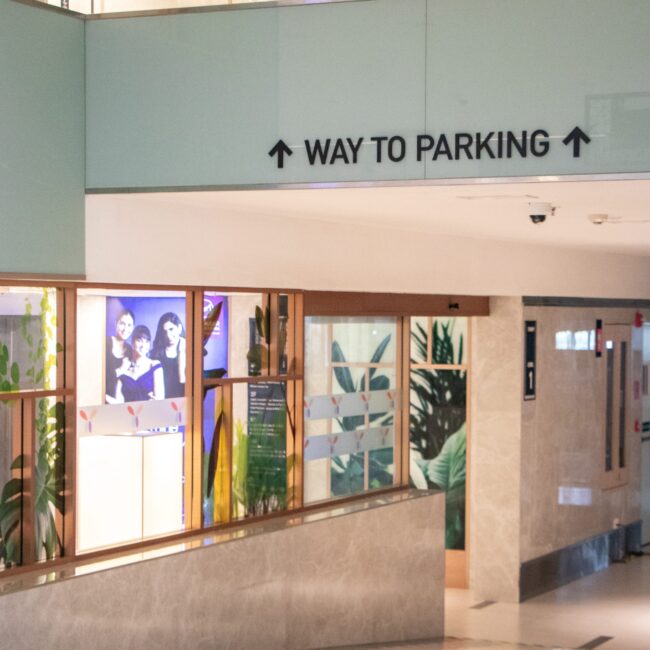
- Parking wayfinding
-
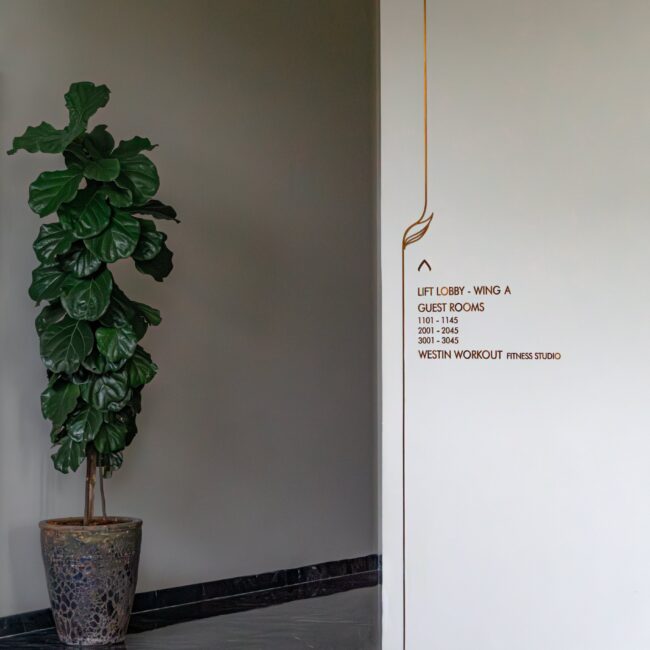
- wayfinding
Our Wayfinding Services
- Understanding spatial layout, human mobility, and navigational difficulties were is the main goal of the wayfinding consultant.
- Designing wayfinding signage with directional, informational, identification, and regulatory signage for complicated environments.
- Environmental wayfinding design where signage integrates with architectural and spatial context to support clear navigation.
- Designing interior wayfinding signage for public areas, campuses, and large buildings.
Wayfinding system planning to guarantee clarity, consistency, and ease of use throughout the environment.
Types of Wayfinding
Our approach is to create customised wayfinding systems that fulfill user needs, making us the best wayfinding consultancy in India. Wayfinding signage includes directional, informational, identification, and regulatory signs.
Directional Signs
Directional wayfinding signage helps people navigate places through signs, symbols, and visual cues. Sign designs, such as arrows, text, icons, colour codes, and other elements, are used to guide people in the right direction. The primary purpose of directional wayfinding is to make navigation intuitive, reduce confusion, and ensure that people reach their intended destinations. As a wayfinding consultancy, we provide directional wayfinding signage expertise for large buildings, campuses, or public transportation systems.
Informational Signs
Informational wayfinding is a type of wayfinding system that provides vital information to help people understand their surroundings and make informed decisions as they navigate. It focuses on offering context, details, and explanations about the place. While directional wayfinding signs guide users to specific destinations, informational wayfinding signs provide background information to help users understand what they encounter.
Informational wayfinding signs reduce the need for people to ask for help and help avoid confusion while navigating, making the experience seamless—an essential part of our environmental signage solutions.
Identification Signs
A vital part of any complete navigation system is identification signs. These signs help users understand and confirm their location within a space by clearly distinguishing rooms, departments, zones, or amenities. Identification signs answer questions like “What is this space?” and “Where am I?” and provide clarity and confidence during travel. and “Where am I?” Accessibility is also supported with appropriate identifying signage, which makes it easier for individuals of all abilities to locate and navigate areas.
Regulatory Signs
Regulatory wayfinding signs play a vital role in wayfinding systems, providing instructions, rules, regulations, and warnings to manage user behavior and ensure safety. These signs communicate important instructions and safety requirements that users must follow. These signs prevent accidents, guide emergency responses, and ensure public safety. These signs should be very clear and easily understandable to avoid any confusion in emergencies.
Key Elements of Effective Wayfinding
Effective wayfinding is more than just placing signs; it’s about building a complete navigation system that guides visitors with clarity and confidence. At Keystone Sign Studio, our wayfinding consultants consistently apply the following key elements across every project to ensure intuitive, user-focused navigation.
Orientation
Understanding one’s location is the first step in any interior wayfinding design. We establish spatial awareness at key entry and transition points to help users get their bearings immediately. Understanding one’s location is the first step in any interior wayfinding design. We establish spatial awareness at key entry and transition points to help users get their bearings immediately.
Navigation
Our directional signage design utilizes clear arrows and icons. Color coding and logical sequencing to guide users efficiently through complex environments such as hospitals, campuses, and public buildings.
Identification
With well-placed interior directional signage, we label spaces such as rooms, departments, and zones to confirm users are in the right place, minimizing confusion and enhancing trust. Clear identification signage helps users make quick decisions and reinforces confidence in the overall wayfinding system.
Information
Strategic wayfinding and signage design include helpful context, such as opening hours, accessibility features, or location-specific tips, empowering users to make informed decisions on the move. This reduces reliance on staff assistance and improves overall user flow within the space.
Regulation & Safety
We include regulatory and safety signage that communicates rules, emergency instructions, and compliance requirements. Our wayfinding signage consultants ensure these signs are clear, visible, and visually integrated with the overall wayfinding system. As trusted signage and wayfinding design consultants, we provide these elements to work cohesively and create a seamless, user-friendly experience.
Our Strategic Approach to Wayfinding
Effective wayfinding begins with understanding how people move, think, and interact with their surroundings. Our strategy at Keystone Design Studio includes
- Site & Spatial Analysis: We evaluate layout, access points, lighting, and foot traffic to understand how your space operates.
- User Journey Mapping: We identify how visitors interact with the space and highlight areas where directional wayfinding signage is most needed.
- Wayfinding & Signage Design Development: Our team crafts signage with a visual hierarchy, branding consistency, and optimal placement that is fully aligned with your brand identity.
- Implementation, Testing & Optimization: We install and test both static and digital signage, ensuring performance and clarity across indoor and outdoor environments. This approach is reflected in many of our client projects.
FAQs
What is wayfinding, and why is it important?
Wayfinding refers to the design and implementation of signage and other visual cues to help people navigate a space. It is essential because it enables users to navigate efficiently and avoid confusion. Wayfinding can be implemented indoors or outdoors, whether in buildings, malls, or large campuses.
How do I know if my space needs a wayfinding solution?
One can determine whether a wayfinding system is needed by examining the layout of the location. If the area has a complex design, wayfinding solutions can make navigation easier. If your visitors frequently ask for directions or get confused within your space, it's a sign that your location might need a wayfinding system.